

Construction Materials Market: High-Growth Segments and Regional Investment Hotspots
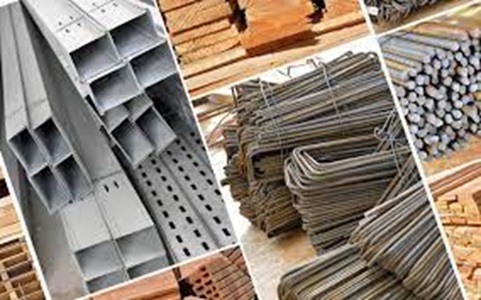
Construction Materials Market Rising Demand
Asia-Pacific remains the primary growth engine for construction materials demand.
WILMINGTON, DE, UNITED STATES, June 24, 2026 /EINPresswire.com/ -- Construction Materials Market Overview (2026–2032):Market Opportunity:
The global construction materials market represents a large and steadily expanding opportunity, driven by urbanization, infrastructure modernization, housing demand, and sustainability initiatives.
- Market Size (2022): $1.2 Trillion
- Forecast Market Size (2032): $1.7 Trillion
- CAGR (2023–2032): 3.8%
- Fastest Growing Region: Asia-Pacific (4.0% CAGR)
- Fastest Growing Material Segment: Cement (4.4% CAGR)
- Fastest Growing End-Use Segment: Commercial Construction (4.1% CAGR)
𝐃𝐨𝐰𝐧𝐥𝐨𝐚𝐝 𝐒𝐚𝐦𝐩𝐥𝐞 𝐏𝐚𝐠𝐞𝐬 𝐨𝐟 𝐑𝐞𝐬𝐞𝐚𝐫𝐜𝐡 𝐎𝐯𝐞𝐫𝐯𝐢𝐞𝐰: https://www.alliedmarketresearch.com/request-sample/A68813
Primary Demand Drivers:-
Urbanization & Population Growth:
- Rapid urban expansion across emerging economies.
- Increased demand for residential housing, transportation networks, utilities, and public infrastructure.
Government Infrastructure Spending:
- Large-scale infrastructure programs worldwide.
- Continued investments in roads, bridges, railways, airports, ports, and smart cities.
Sustainability & Green Building Adoption:
- Rising demand for LEED-certified and environmentally friendly construction materials.
- Increased use of recycled aggregates, low-carbon cement, and circular construction practices.
Commercial Real Estate Expansion:
- Growth in office complexes, retail centers, hospitality projects, logistics hubs, and AI-ready data centers.
Market Segmentation:-
By Material Type:
Aggregates (Largest Segment):
Products:
- Sand
- Gravel
- Crushed Stone
Key Use Cases:
- Concrete production
- Asphalt production
- Road construction
- Infrastructure foundations
Growth Drivers:
- Universal usage across all construction projects.
- Large infrastructure developments globally.
Cement (Fastest Growing Segment):
Growth Rate:
- 4.4% CAGR
Drivers:
- Housing programs
- Infrastructure development
- Urban expansion
- Green cement innovation
Metals:
Products:
- Structural steel
- Aluminum
Applications:
- Commercial buildings
- Industrial facilities
- Infrastructure projects
Bricks, Blocks & Specialty Materials:-
Drivers:
- Sustainability regulations
- Modular construction adoption
- Energy-efficient building requirements
By End Use:
Residential Construction:
Market Share:
- Approximately 49% of global demand
Key Drivers:
- Affordable housing initiatives
- Smart home construction
- Population growth
- Urban migration
Commercial Construction (Fastest Growing):
Growth Rate:
- 4.1% CAGR
Applications:
- Office buildings
- Retail developments
- Hospitality projects
- Data centers
Growth Catalysts:
- Corporate expansion
- AI infrastructure investments
- Digital economy growth
Industrial Construction:
Applications:
- Manufacturing facilities
- Warehouses
- Logistics hubs
- Industrial parks
Drivers:
- Supply chain modernization
- Reshoring initiatives
- Industrial automation investments
Geographic Revenue Hotspots:-
Asia-Pacific:
Market Position:
- Largest regional market (~50% share)
Key Countries:
- China
- India
- South Korea
Demand Catalysts:
- Smart city programs
- Urban housing projects
- Transportation infrastructure
- Belt and Road Initiative
- National Infrastructure Pipeline
North America:-
Key Market:
United States:
Drivers:
- Infrastructure Investment and Jobs Act (IIJA)
- Green building standards
- Smart building technologies
High-Growth Areas:
- Southern U.S.
- Logistics corridors
- Data center clusters
Europe:-
Key Countries:
- Germany
- France
- United Kingdom
Growth Themes:
- Carbon neutrality targets
- Low-carbon materials
- Circular economy initiatives
- Energy-efficient construction
Middle East, Africa & Latin America:-
Drivers:
- Vision 2030 initiatives
- Urbanization
- Housing development
- Foreign direct investment
- Infrastructure modernization
Emerging Revenue Opportunities:-
Sustainable Construction Materials:
High-Growth Products:
- Green cement
- Recycled aggregates
- Low-carbon concrete
- Energy-efficient building materials
Modular & Prefabricated Construction:-
Benefits:
- Reduced labor requirements
- Faster project completion
- Improved quality control
- Lower material waste
Smart Construction Materials:-
Examples:
- Self-healing concrete
- Thermochromic glass
- Intelligent building components
Digital Construction Ecosystem:-
Solutions:
- BIM platforms
- Digital twins
- AI-powered project management
- Autonomous construction robotics
Key Challenges:-
Raw Material Cost Inflation:
Affected Categories:
- Steel
- Cement
- Timber
Impact:
- Margin pressure
- Budget overruns
- Procurement complexity
Supply Chain Volatility:-
Causes:
- Geopolitical conflicts
- Trade restrictions
- Transportation disruptions
Impact:
- Material shortages
- Delayed project timelines
Regulatory Compliance:-
Focus Areas:
- Carbon emissions
- Sustainability standards
- Environmental certifications
Competitive Landscape:-
Global Leaders:
- CEMEX
- ArcelorMittal
- Holcim
- CRH plc
- Sika AG
Regional & Growth-Focused Players:
- Grasim Industries
- Ambuja Cements
- ACC Limited
- Knauf Digital
- LIXIL Corporation
- Boral
Competitive Differentiators:
- Low-carbon product portfolios
- Geographic distribution networks
- Digital construction capabilities
- Circular economy solutions
- Sustainable manufacturing practices
Technology-Led Revenue Expansion Areas:-
AI in Construction:
Market Outlook:
$6.0 Billion (2026) to $35.5 Billion (2034)
Applications:
- Design optimization
- Material selection
- Project scheduling
- Resource allocation
- Risk prediction
Building Information Modeling (BIM):-
Adoption:
- Approximately 65% of global projects by 2026
Benefits:
- Better planning accuracy
- Reduced material waste
- Improved project coordination
Digital Twins:-
Value Proposition:
- Real-time monitoring
- Predictive maintenance
- Reduced project risk
Construction 3D Printing:-
Impact:
- Lower labor costs
- Reduced material waste
- Faster project delivery
Strategic Takeaways:
- Asia-Pacific remains the primary growth engine for construction materials demand.
- Cement and sustainable materials represent the highest-growth product opportunities.
- Commercial construction and AI-driven data center development are accelerating material consumption.
- Green building regulations are creating significant opportunities for low-carbon and recycled materials.
- AI, BIM, digital twins, and modular construction will increasingly shape procurement and material selection decisions through 2032.
𝐖𝐚𝐧𝐭 𝐭𝐨 𝐀𝐜𝐜𝐞𝐬𝐬 𝐭𝐡𝐞 𝐒𝐭𝐚𝐭𝐢𝐬𝐭𝐢𝐜𝐚𝐥 𝐃𝐚𝐭𝐚 𝐚𝐧𝐝 𝐆𝐫𝐚𝐩𝐡𝐬, 𝐊𝐞𝐲 𝐏𝐥𝐚𝐲𝐞𝐫𝐬' 𝐒𝐭𝐫𝐚𝐭𝐞𝐠𝐢𝐞𝐬: https://www.alliedmarketresearch.com/construction-materials-market/purchase-options
About Us:
Allied Market Research provides global enterprises as well as medium and small businesses with unmatched quality of "Market Research Reports" and "Business Intelligence Solutions." AMR has a targeted view to provide business insights and consulting to assist its clients to make strategic business decisions and achieve sustainable growth in their respective market domain.
Pawan Kumar, the CEO of Allied Market Research, is leading the organization toward providing high-quality data and insights. We are in professional corporate relations with various companies and this helps us in digging out market data that helps us generate accurate research data tables and confirms utmost accuracy in our market forecasting. Each and every data presented in the reports published by us is extracted through primary interviews with top officials from leading companies of domain concerned. Our secondary data procurement methodology includes deep online and offline research and discussion with knowledgeable professionals and analysts in the industry.
David Correa
Allied Market Research
+ + + + + + + + + + + + + +1 800-792-5285
email us here
Visit us on social media:
LinkedIn
Facebook
YouTube
X
Legal Disclaimer:
EIN Presswire provides this news content "as is" without warranty of any kind. We do not accept any responsibility or liability for the accuracy, content, images, videos, licenses, completeness, legality, or reliability of the information contained in this article. If you have any complaints or copyright issues related to this article, kindly contact the author above.
